
Master the Fundamentals of Men's Nutrition
Build a balanced diet that supports muscle growth, energy levels, and long-term wellness. Discover evidence-based nutrition strategies tailored for men's unique dietary needs.
The information on this site is for educational purposes only and does not constitute medical advice. Always consult a qualified healthcare professional before making health decisions.
Nutrition Impact by the Numbers
6 Essential
Macronutrient categories for balanced male health
Sustainable
Long-term dietary habits that improve vitality
Muscle Support
Evidence-based protein strategies for strength
Energy Boost
Daily nutrition plans that sustain performance
Protein Intake Essentials for Muscle Growth
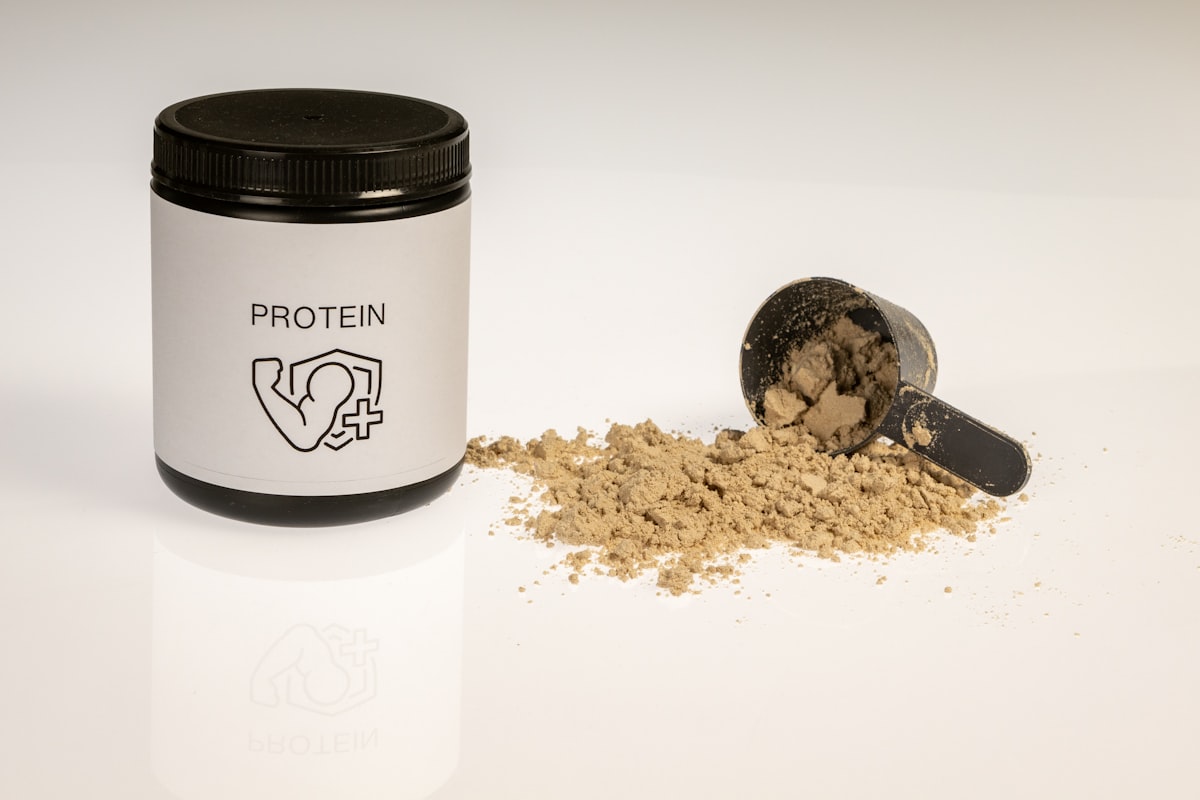
Protein is the cornerstone of any male-focused nutrition plan. To support muscle development and recovery, men typically need between 1.6 to 2.2 grams of protein per kilogram of body weight daily. This translates to roughly 110–180 grams for an average 180-pound man, depending on activity level and fitness goals.
Quality protein sources include lean meats, fish, eggs, dairy products, legumes, and plant-based alternatives. Distributing protein intake across four to five meals throughout the day optimizes muscle protein synthesis and maintains steady energy levels.
Combining adequate protein with resistance training and proper rest creates the metabolic environment needed for lean muscle gain. Our guides explore meal-timing strategies, amino acid profiles, and practical recipes to make hitting your protein targets simple and sustainable.
Key Macronutrient Breakdowns
Carbohydrates
Carbs provide the primary fuel for workouts and daily activity. Choose complex carbohydrates like oats, brown rice, and whole grains to maintain stable blood sugar and sustained energy throughout the day.
Target: 45–65% of total daily calories
Healthy Fats
Fats support hormone production, brain function, and nutrient absorption. Prioritize unsaturated fats from avocados, olive oil, nuts, and fatty fish rich in omega-3 fatty acids.
Target: 20–35% of total daily calories
Micronutrients
Vitamins and minerals including zinc, magnesium, iron, and B-vitamins regulate metabolism, immunity, and muscle function. A diverse diet rich in vegetables, fruits, and fortified whole grains covers most needs.
Focus: Variety across food groups
Hydration
Water is essential for muscle performance, nutrient transport, and metabolic function. Men typically need 3.7 liters daily, with higher intake during exercise or in hot climates.
Target: 8–10 glasses daily minimum
Fiber
Dietary fiber supports digestive health, stable blood sugar, and healthy cholesterol levels. Include whole grains, legumes, vegetables, and fruits for optimal gut function.
Target: 30–38 grams daily
Antioxidants
Antioxidants reduce oxidative stress and support recovery after intense training. Sources include colorful vegetables, berries, nuts, and green tea.
Focus: Foods rich in vitamins C and E
Common Questions About Men's Dieting
How much protein do I really need per day?
The amount of protein you need depends on your body weight, activity level, and fitness goals. Generally, aim for 1.6 to 2.2 grams per kilogram of body weight daily if you're training regularly. For a 180-pound (82 kg) man, this ranges from 130 to 180 grams daily. If you're less active, 0.8 grams per kilogram is adequate. Our detailed guides break down these calculations and provide meal examples to help you hit your target.
What is the best meal timing for muscle growth?
While meal timing has some impact on muscle protein synthesis, the total daily protein intake and overall caloric balance matter far more. That said, consuming protein and carbohydrates within a few hours after resistance training supports recovery and muscle growth. Spreading protein intake evenly across 4–5 meals throughout the day also optimizes muscle synthesis better than consuming it all at once. Our meal-planning articles provide detailed timing strategies and sample schedules.
Should I avoid carbs or fat to get lean?
No. Both carbohydrates and healthy fats are essential for male health and performance. The key to leaning out is maintaining a modest caloric deficit while preserving protein intake. A balanced diet with adequate carbs fuels workouts and recovery, while healthy fats support hormone production and nutrient absorption. Our nutrition guides explore evidence-based approaches to body composition without eliminating entire macronutrient categories.
Can I build muscle on a plant-based diet?
Yes, absolutely. A well-planned plant-based diet can fully support muscle growth and athletic performance. Plant proteins like legumes, tofu, tempeh, nuts, and seeds provide all essential amino acids when combined strategically. You may need slightly higher total protein intake due to lower amino acid density, but this is entirely achievable. Our resources include plant-based meal plans, amino acid profiling, and recipes designed for muscle development.
How do I track my nutrition without obsessing over details?
You don't need to count every calorie to maintain good nutrition. Start by eating whole foods, building meals around lean protein and vegetables, and listening to hunger cues. If you want more structure, simple tracking methods like the palm method for portions or a food journal provide enough feedback without becoming overwhelming. Our beginner guides explain straightforward approaches to nutrition monitoring that fit into real-world life.
What should men prioritize: muscle gain or fat loss?
The answer depends on your current body composition and goals. If you're significantly overweight, prioritizing fat loss while maintaining muscle makes sense. If you're already lean, a modest surplus supports muscle growth. Body recomposition—building muscle and losing fat simultaneously—is possible with proper training and nutrition, especially for beginners. Our comprehensive guides explore both approaches and help you determine what works best for your situation.
5-Step Guide to Balanced Meal Planning
Assess Your Caloric Needs
Calculate your daily caloric expenditure using your body weight, activity level, and fitness goals. Use online calculators or consult our articles on basal metabolic rate to establish your baseline. This foundation determines whether you'll maintain, lose, or gain weight.
Determine Your Macronutrient Targets
Based on your goals, allocate calories across protein (25–35%), carbohydrates (45–65%), and fats (20–35%). For most men aiming to build muscle, aim for 1.6–2.2 grams of protein per kilogram of body weight. Our guides provide specific ratios for different objectives and include downloadable macronutrient charts.
Build Your Core Food List
Create a personal inventory of whole foods you enjoy from each macronutrient category: lean proteins, whole grains, healthy fats, and colorful vegetables. Include budget-friendly staples and foods that align with your cultural preferences and lifestyle. A sustainable plan uses foods you actually like eating.
Plan Your Weekly Meals
Design 3–4 breakfast, lunch, dinner, and snack options that you'll rotate throughout the week. This repetition makes shopping easier and builds consistency without becoming boring. Our meal-plan templates help you structure days to hit your macro targets while keeping prep time reasonable.
Monitor, Adjust, and Iterate
Track your energy levels, performance in training, and body composition changes over 2–3 weeks. If progress stalls or energy dips, adjust portions or swap foods strategically. Nutrition is personal—our guides emphasize flexibility and finding what works best for you rather than rigid adherence to a single blueprint.
Real Transformations From Our Community
"I followed the protein and meal-planning guides here and finally saw consistent muscle gains. The step-by-step approach made it easy to understand what I needed to eat without overthinking. Within three months, my strength improved noticeably and I felt more energized throughout the day. Highly recommend for anyone serious about their nutrition."
Michał K.
Kraków
"As someone who never tracked nutrition before, these articles broke everything down in a way that didn't feel overwhelming. The macronutrient breakdown and meal-timing information helped me understand not just what to eat, but why it matters. I've been able to maintain my progress without obsessing over numbers. This is the clarity I was looking for."
Piotr L.
Warsaw
"I switched to a plant-based diet and was worried about getting enough protein. The plant-based nutrition guides here showed me exactly how to combine foods to hit my targets. The meal examples made planning straightforward, and I've maintained my fitness gains while eating the way I prefer. This resource genuinely helped me make the transition successful."
Tomasz W.
Gdańsk
"The FAQ section answered every question I had about nutrition for my fitness level. Instead of generic advice, these articles provided specific numbers and context I actually needed. After implementing the meal-planning steps, my energy levels improved and my training performance went up. This is worth bookmarking and revisiting regularly."
Adrian M.
Wrocław
Stay Updated With Nutrition Insights
Subscribe to receive our latest articles, meal-planning guides, and evidence-based nutrition tips delivered to your inbox.
We respect your privacy. Unsubscribe at any time.
Key Features That Set Us Apart
Evidence-Based Content
Every guide references current scientific research and nutritional standards, helping you understand the "why" behind recommendations.
Community-Focused
Read real experiences from men in Poland and beyond who've applied these principles. Learn from their journeys and successes.
Practical Guidance
Our content goes beyond theory. You'll find meal templates, macro calculations, and actionable steps you can implement immediately.
Progress Tracking
Learn how to monitor your nutrition and adjust your approach based on real results and performance changes.
Inclusive Approaches
Whether you eat omnivore, plant-based, or follow specific dietary preferences, we explore nutrition strategies that work for you.
Open Communication
Have questions about our content? We welcome feedback and suggestions to make our resources even more helpful for our readers.
Start Your Nutrition Journey Today
Explore our comprehensive guides, discover practical meal-planning strategies, and join a community committed to balanced, sustainable nutrition for men.
For content feedback or editorial questions, contact our team.
What Our Clients Say
Real stories from people who transformed their nutrition journey with Mennutritionbalance
"The nutrition guidance from Mennutritionbalance changed my approach to healthy eating. Clear, practical, and science-backed advice that actually works."
Sarah Mitchell
Fitness Enthusiast
"I appreciate how balanced and realistic the nutrition recommendations are. No extreme diets, just sustainable habits for long-term health."
James Rodriguez
Health Professional
"Finally, nutrition information that doesn't feel overwhelming. The resources are well-organized and easy to understand for beginners like me."
Emma Thompson
Wellness Advocate
Ready to Balance Your Nutrition?
Join thousands of people who are taking control of their health with evidence-based nutrition guidance from Mennutritionbalance.
No credit card required. Begin your personalized nutrition plan today.
Mennutritionbalance
Evidence-based nutrition guidance for a healthier, balanced lifestyle.
Resources
- FAQ
- Privacy Policy
- Terms of Service
- Sitemap
© 2024 Mennutritionbalance – NIP: 142-513-50-28. All rights reserved. | Empowering healthier lives through balanced nutrition.